All Months, June June 2, 2025
Summer Solstice and Ancient Sun Worship
The Panathenaic Festival: Athens’ Grand Summer Celebration
In ancient Athens, June marked preparations for the Panathenaic Festival, one of the city’s most significant events honoring Athena, the goddess of wisdom and protector of the city. This grand celebration included athletic competitions, musical performances, and a sacred procession to the Acropolis.
The highlight was the presentation of a specially woven peplos (robe) to Athena’s statue. The procession, featuring citizens of all classes, showcased the unity and pride of Athens. Athletic contests at the Panathenaic Stadium tested the strength and skill of participants, with victors crowned in olive wreaths.
Today, echoes of the Panathenaic Festival can be felt in Athens during summer festivals, such as open-air concerts and cultural events. A visit to the Acropolis Museum or the Panathenaic Stadium offers a deeper appreciation for this ancient celebration, immersing visitors in the grandeur of Athens’ history.
Athens in June: Festival Season Comes Alive
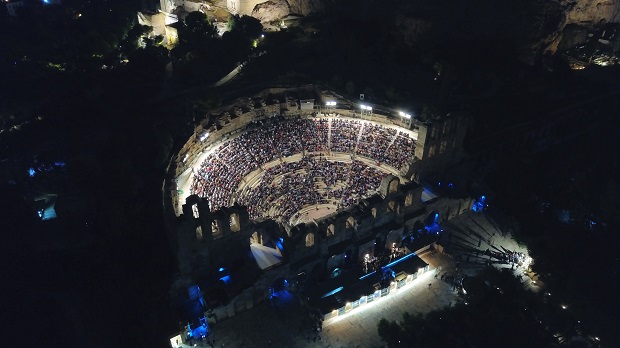
June is a month of celebration in Athens, as the city hosts a variety of vibrant festivals that bring its cultural scene to life. One standout is the Athens Epidaurus Festival, featuring world-class performances in iconic venues like the Odeon of Herodes Atticus. Watching a play under the stars with the illuminated Acropolis as a backdrop is an unforgettable experience.
Street festivals, art exhibitions, and food markets also add to the excitement. Plaka and Monastiraki come alive with live music and pop-up stalls offering local delicacies. For a more traditional experience, villages surrounding Athens often host summer fairs with folk dancing and feasting.
June is the perfect time to experience Athens’ modern vibrancy intertwined with its timeless charm. Whether you’re enjoying contemporary art or ancient drama, Athens’ festival season invites you to celebrate alongside its spirited locals.
Sacred Spaces and Solstice Traditions in Ancient Athens
June’s summer solstice was a time of sacred significance in ancient Athens. The longest day of the year was celebrated with rituals honoring the sun and agricultural deities. Temples like the Parthenon and the Temple of Hephaestus became focal points, as their alignment with the sun symbolized the harmony of nature and divinity.
Offerings of wheat, olive oil, and wine marked the solstice, expressing gratitude for the abundance of the earth. Families gathered to share meals, while communities performed dances to welcome the summer season.
Today, visitors to Athens in June can imagine these ancient solstice rituals as they explore the city’s historic sites. The golden light of the solstice adds a magical touch to landmarks like the Acropolis, connecting the present with the ancient rhythms of the sun and the earth.